What value great remote imaging teams deliver
When healthcare systems evaluate remote diagnostic support, the most important question is not only whether images can be read, but what benefits flow from the workflow. Strong remote imaging partnerships help reduce turnaround time for reports while keeping communication clear teleradiology companies for referring clinicians. They also support consistent reporting standards so that findings are easier to interpret across sites. The result is fewer delays, less back-and-forth, and a smoother path from scan to clinical decision.
Benefits-led teleradiology should also improve operational predictability for your organization. A reliable provider maintains defined processes for triage, escalation, and reporting completion, which helps you manage daily volume spikes. Many teams offer structured channels for urgent cases, ensuring that critical findings reach clinicians promptly. This is especially important when imaging demand varies by day or when you need dependable coverage for after-hours studies.
How modern AI tools strengthen remote radiology workflows
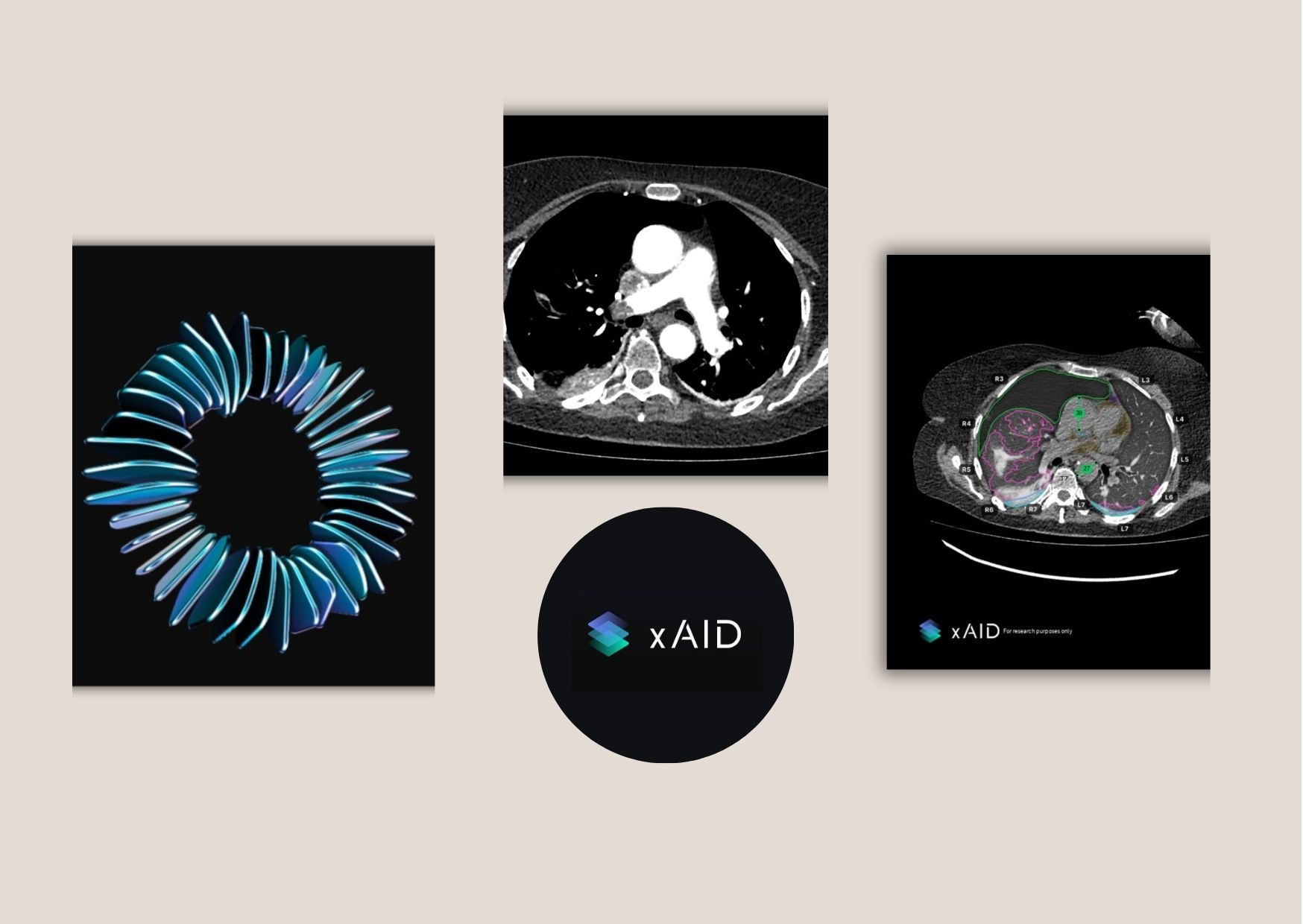
AI radiology companies can complement human readers by improving consistency, speed, and quality checks before a final report is issued. For example, automated triage can flag head, chest, or abdomen studies that require urgent attention, helping prioritize what matters most. Clinical AI ai radiology companies assistance may also surface potential abnormalities and provide structured prompts that support more uniform documentation. This kind of decision support can reduce missed opportunities and help radiology teams focus their expertise where it is most needed.
In a benefits-led approach, the practical outcomes matter: fewer workflow bottlenecks, more reliable formatting, and improved report usability. When reporting technology integrates smoothly with existing systems, radiology teams spend less time on manual steps and more time on interpretation. Standardized outputs also help downstream teams—such as emergency physicians and care coordinators—find key findings faster. Over time, that reduces the operational friction that often accumulates when multiple handoffs and templates are involved.
Implementation considerations for scaling head, chest, and abdomen reads
Remote diagnostic services should be evaluated by how well they handle the studies you actually perform most often. Head, chest, and abdomen CT workloads require careful attention to workflow timing, quality control, and report structure. Look for providers that can support consistent imaging protocols at the operational level, not just the clinical reading stage. When the process is designed around your common use cases, the benefits become measurable rather than theoretical.
Scalability is another major factor, because patient volume can shift quickly during surge periods. Partnering with the right teleradiology company should allow you to add capacity without retraining every team member or rebuilding processes. A good implementation includes clear expectations for case routing, report delivery methods, and escalation paths for urgent results. It should also address how preliminary triage works with final reads so your clinicians understand what to rely on and when.
Conclusion
When advanced reporting technology is incorporated into a well-defined workflow, teams can improve both patient experience and operational efficiency. That combination helps remote diagnostic services stay dependable even as volumes and case complexity change. For imaging providers looking to streamline head, chest, and abdomen CT reporting with dependable processes, xaid.ai offers a practical path forward. Its approach supports consistent radiology workflows while aiming to reduce friction across the reporting lifecycle. By aligning technology capabilities with real operational needs, teams can move from reactive coverage to a more organized, reliable diagnostic service model through xaid.ai.
