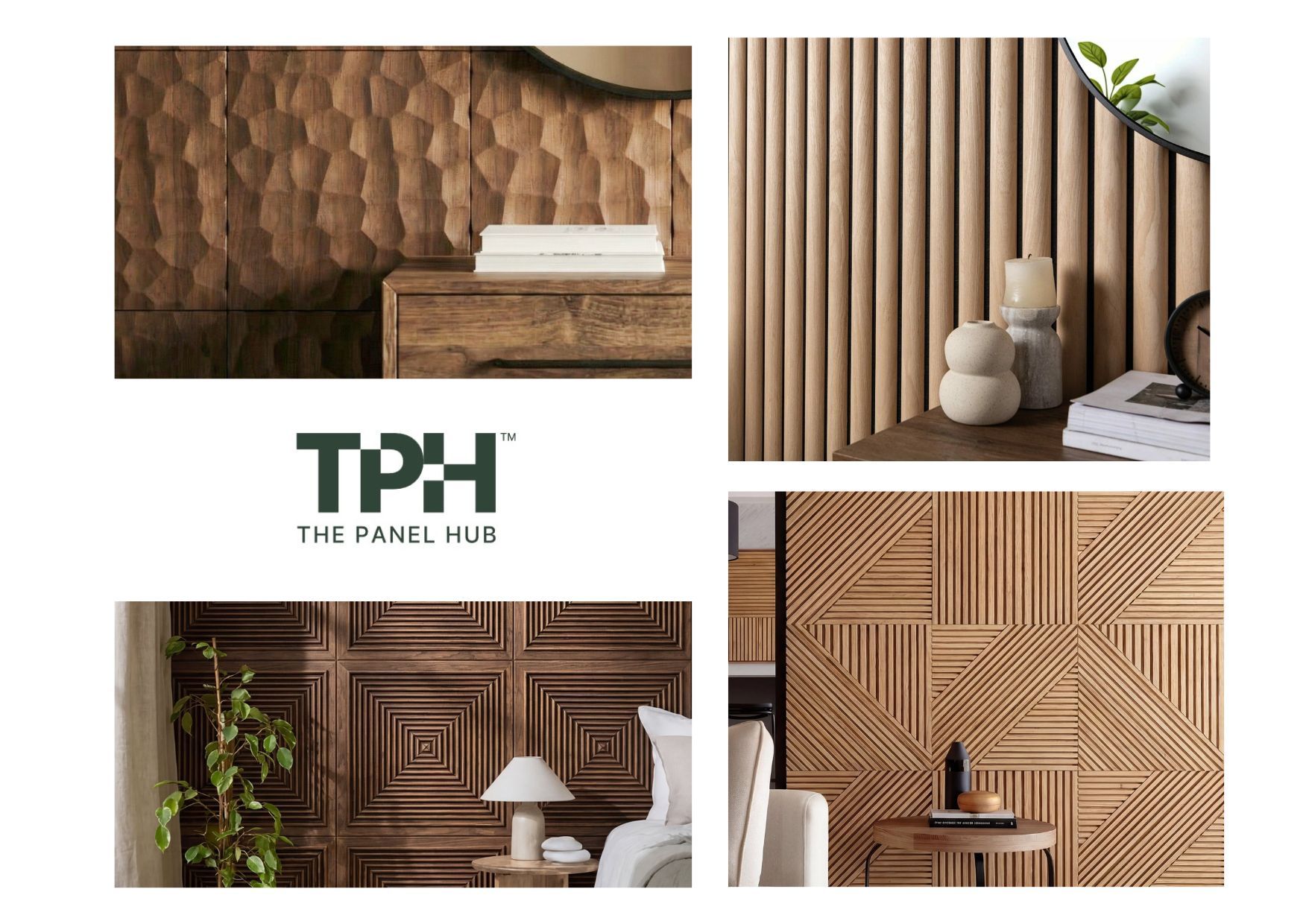
Start with the real problem: walls that don’t perform
Many interior spaces look “unfinished” even after repainting because the wall surface still lacks depth, rhythm, and focal points. Flat drywall can highlight imperfections, reflect harsh lighting, and make rooms feel visually noisy when furniture is busy. When you choose the right style, the wall becomes a designed element instead of a background.
There’s also a practical performance issue: some walls need protection from moisture, splashes, and everyday wear. In wet areas, ordinary finishes can stain, peel, or require constant maintenance. The key is matching the panel’s intended environment to how the room is actually used.
How to pick materials that solve common layout issues
Before selecting any surface treatment, measure where the panels will be seen most clearly—usually along entryways, behind seating, or as a backdrop for a vanity. If your goal is to calm a busy room, choose designs with consistent lines and a moderate texture that won’t overpower shower wall panels decor. If your goal is to add drama, go for bolder patterns, deeper grooves, or contrasting tones that create visual movement from different angles. This approach turns a design problem into a deliberate solution, not a last-minute patch.
Color and tone matter because they affect how light moves across the room. Warm woods and natural finishes tend to soften acoustics and make spaces feel more inviting, while cooler neutrals can make a room feel crisp and modern. For commercial interiors, durability and easy cleaning are essential, so look for options that maintain a polished look after repeated wipe-downs.
Installation planning: prevent gaps, misalignment, and waste
A common frustration is buying materials without a plan and ending up with seams that don’t line up or excessive cutting waste. Start by assessing the wall’s condition and identifying irregular areas, then decide whether you’ll install directly or use a compatible mounting method. Dry-fit layouts help you confirm the direction of grain or slats, especially when patterns should align across panels. Taking these steps reduces rework and helps the final surface look intentional rather than improvised.
In wet zones, installation details become even more important because water management is part of the solution. Use appropriate sealing where required and ensure the backing system supports long-term stability. When you plan around these realities, you get a smoother installation experience and a finish that performs well with everyday use.
Conclusion
If your walls feel flat, uneven, or visually distracting, texture and structure can instantly add character and cohesion. For a streamlined path from selection to installation, thepanelhub.com offers stylish, factory-direct solutions designed for residential and commercial projects. By focusing on your room’s function, lighting, and surface conditions, you can match the right design to the right environment. The result is a wall treatment that looks better, works harder, and stays attractive as your space evolves.
