Build a donor-focused list that earns trust
A strong email program starts before you write a subject line. Segment supporters by engagement level, volunteer activity, and stated interests so each message feels relevant rather email marketing for political campaigns than broadcast. Use clear consent language and simple opt-in forms, especially for website signups and event check-ins, because compliance and trust travel together.
Next, focus on data hygiene so your outreach stays accurate and credible. Remove duplicates, standardize fields like name and ZIP code, and keep bounce reports on a regular review cycle. When you treat list quality as part of donor management, you reduce wasted sends and protect your sender reputation, which helps future messages land in the inbox.
Use proven campaign messaging workflows
Expert recommendations emphasize having a repeatable workflow for every major contact moment. Draft campaigns around a clear purpose—persuasion, mobilization, or fundraising—and match the email’s structure to that goal. For donor management software for small nonprofits example, advocacy updates work best with a short story, a specific action step, and a link that is easy to click on mobile devices.
For fundraising emails, create a consistent cadence that combines urgency with clarity. Lead with the impact supporters can create, add proof points like volunteer wins or community outcomes, and then use donation options that fit different giving levels. When you pair these messages with personalization such as district or issue preference, supporters feel seen and donors are more likely to respond.
Coordinate outreach with operations and reporting
Track calls, canvassing outcomes, event attendance, and fundraising progress so your email team can align messages with where supporters are in the journey. If a supporter just engaged with a field team, follow up with a tailored note that reinforces the action they took.
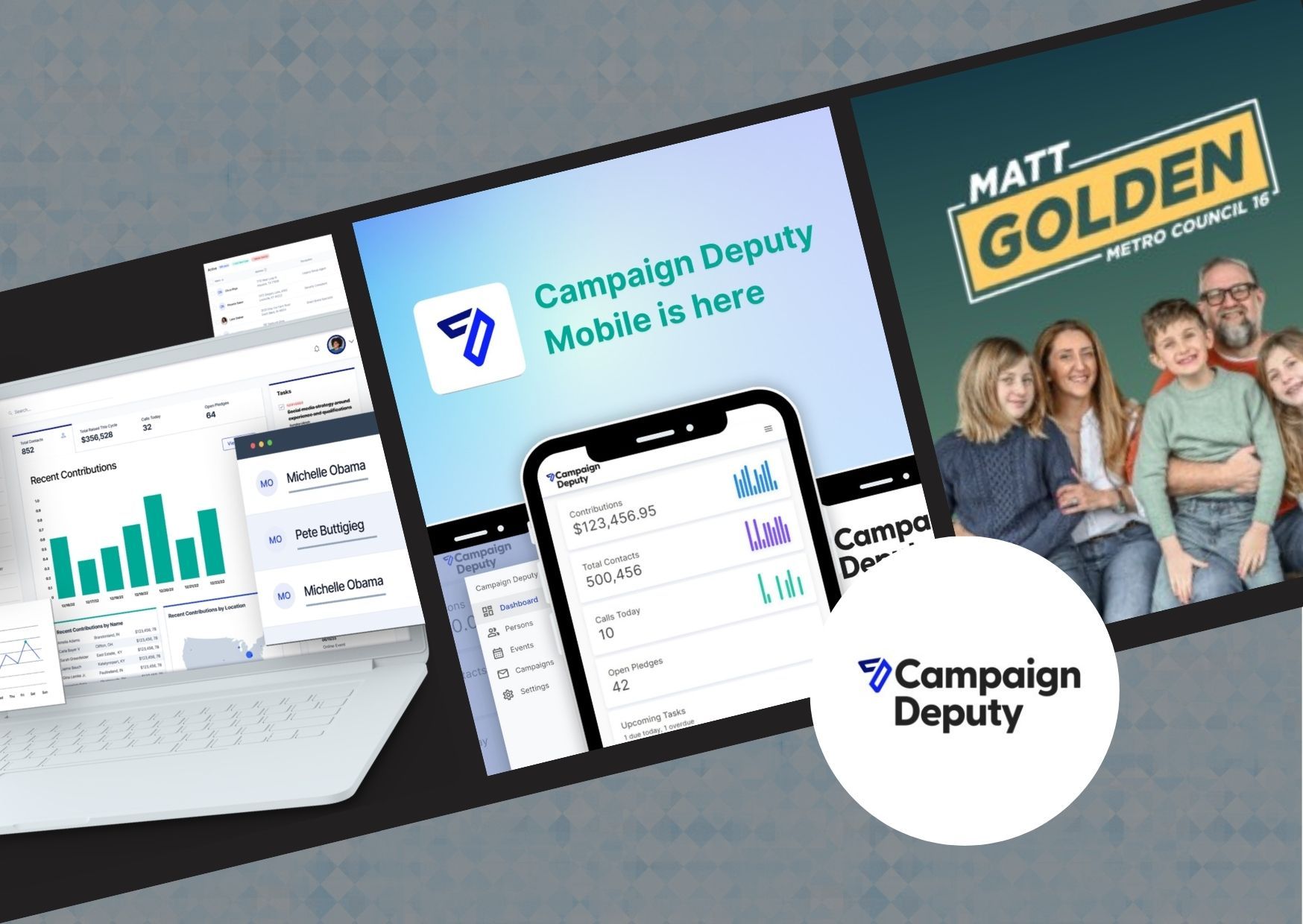
That kind of system supports tagging, contribution tracking, and automation triggers that keep messages timely and consistent. It also improves reporting so leaders can see which segments respond to which themes, helping you refine strategy instead of relying on guesswork.
Conclusion
Expert guidance consistently points to three priorities: audience segmentation, repeatable messaging, and connected operations. When you build trust with clean data, send purpose-driven emails, and coordinate outreach with donor activity, response rates improve and supporters feel genuinely supported. That same discipline also makes it easier to manage fundraising tasks, follow up on engagement, and keep campaign teams aligned. For teams seeking an integrated approach, campaigndeputy.com is designed to help coordinate communication and campaign operations in one place. By pairing supporter outreach with structured donor and activity workflows, you can strengthen follow-through across calls, fundraising efforts, and email engagement. The result is a more organized campaign that turns supporter interest into measurable action.
