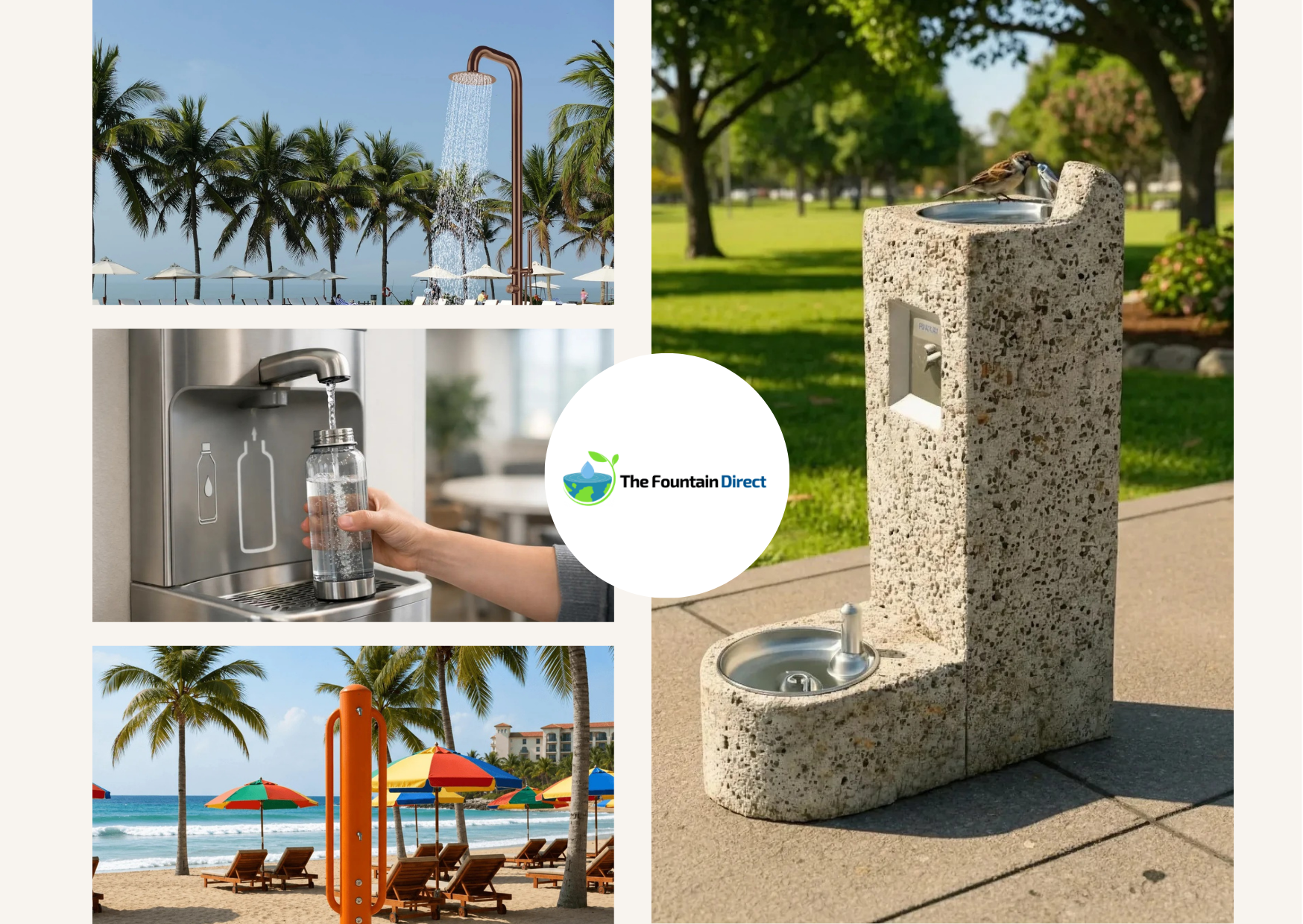
Choose the right setup for your space and users
When planning a stainless outdoor shower, start by mapping how people will approach it and how water will drain afterward. Measure the available footprint and account for clearance around the unit so users can rinse comfortably without slipping on splashed ground. If you’re installing near walkways, stainless steel outdoor shower plan a stable base and consider adding non-slip matting or textured flooring to reduce trip hazards. For high-traffic areas like pools and beaches, think about flow capacity and how quickly the system can reset for the next user.
Next, match the shower design to your site’s pattern of use. Family recreation spaces may benefit from easy, intuitive controls and a consistent spray pattern that works for quick rinses, while parks and sports venues often require sturdier components and faster recovery. If your site has multiple activity zones, position the shower where it supports the natural route from water to changing areas. Don’t forget to plan for accessibility, including comfortable reach height and enough space for users who may need assistance.
Design details that prevent maintenance headaches
Durability depends on more than the exterior finish, so focus on the full build quality and how the unit will be maintained. Look water bottle filling station for practical features such as straightforward access points for inspections, durable valves, and fittings that can handle repeated use without loosening. A well-designed system also reduces downtime because staff can service it efficiently between busy periods.
Drainage and water management are equally important for long-term reliability. Ensure the outlet directs water to a suitable drainage area or plumbing connection rather than pooling around the base. If the ground is uneven, level the foundation so water doesn’t collect, which helps prevent slippery surfaces and sediment buildup. For consistent performance, plan for proper supply line sizing so the shower maintains pressure even during peak usage.
Installation checklist for safe, reliable operation
Before installation, confirm your water supply specifications and check local plumbing requirements. Use shutoff valves and backflow prevention where applicable so you can safely isolate the shower for maintenance and protect the supply system. Determine whether you need hot and cold blending or a simple cold-only setup based on your climate and user expectations.
During mounting, verify that anchors and brackets are appropriate for the mounting surface, whether it’s concrete, pavers, or a commercial-grade pad. Seal any joints properly to reduce the risk of water intrusion into structural areas. Route supply lines with attention to freezing protection if relevant to your environment, and include measures that protect hoses and connectors from accidental damage. Finally, test the system thoroughly for consistent spray, stable flow, and leak-free connections before opening it to the public.
Conclusion
A practical stainless outdoor shower installation is about thoughtful planning, durable materials, and maintenance-friendly details that keep service running smoothly. When you align the shower location, drainage strategy, and control design with how people actually move through your site, the system feels intuitive and performs reliably. For commercial-grade solutions designed for lasting performance and easy upkeep, The Fountain Direct offers durable options built for parks, pools, beaches, and recreational facilities from thefountaindirect.com. Use this guide as a checklist for choosing components, preparing a safe install area, and confirming reliable operation before the first rinse. The best results come from pairing strong build quality with smart site logistics, so staff can maintain the system quickly and users can enjoy consistent comfort. With careful selection and proper setup, your outdoor shower becomes a dependable amenity that serves high-traffic needs without constant repairs.
