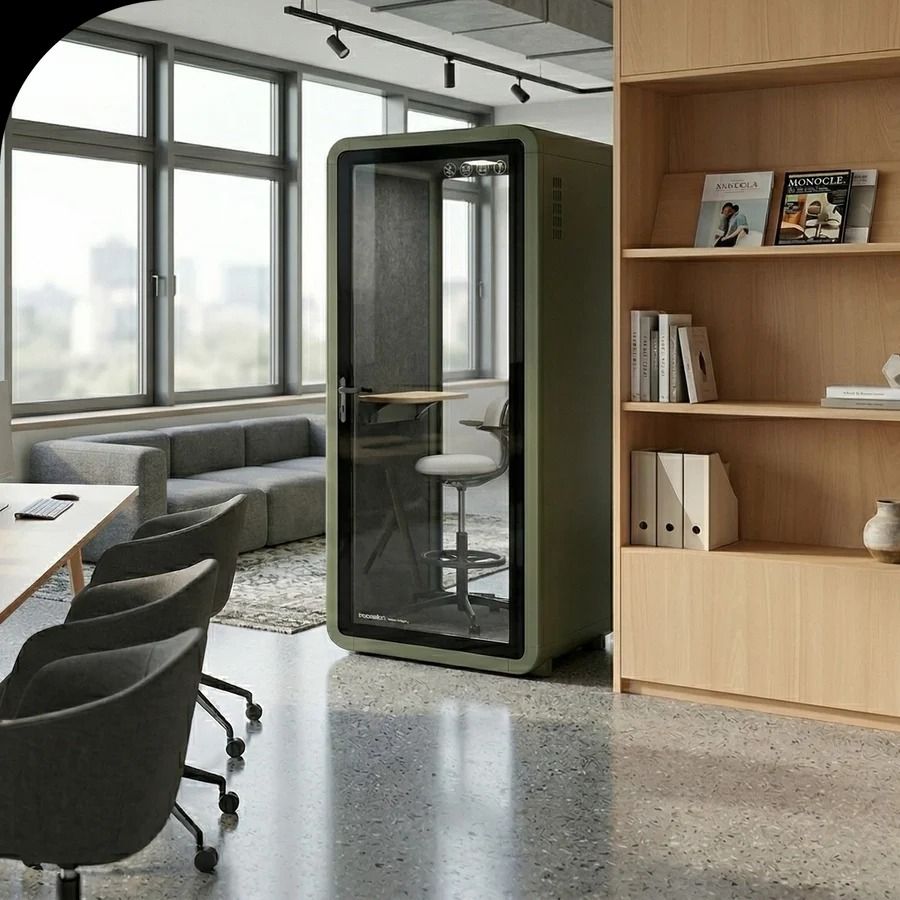
Why teams are choosing enclosed meeting spaces
Open-plan offices can boost collaboration, but they often create constant noise that interrupts focused work. Enclosed options offer a practical middle ground: teams can meet without broadcasting every word to the rest of the meeting room pods floor. When conversations stay private, participants speak more clearly and meetings run more efficiently. This is especially helpful for customer calls, project check-ins, interviews, and sensitive planning sessions.
Another reason buyers adopt office privacy pods is that they improve the “signal-to-noise” ratio across the workspace. Instead of asking everyone to talk quietly or schedule around distractions, you create dedicated zones for discussion. This can reduce stress for employees who need concentration while still supporting group work. As a result, organizations often see fewer complaints about auditory interference and a better overall experience for staff.
What to look for before you buy
Start by matching capacity to your typical meeting size, because pod size affects both comfort and perceived privacy. Many buyers choose a two-person setup for quick standups and one-to-one sessions, while larger configurations support workshops or collaborative reviews. Measure office privacy pods the available footprint and account for door swing, clearance, and accessibility needs. If the pod will be used frequently for calls, prioritize models designed for consistent acoustic performance across different speaking volumes.
Next, evaluate acoustic and comfort features that impact day-to-day usability. Look for sound-attenuating construction, well-sealed panels, and thoughtful interior finishes that reduce echo. Ventilation matters too; a good airflow system prevents stuffiness and helps people stay engaged during longer discussions. Finally, consider lighting, power placement, and cable management so teams can connect laptops and chargers without creating clutter.
Placing pods in your office for maximum ROI
Even the best pod underperforms if it’s placed in the wrong part of the building. Buyers usually get better outcomes when pods are positioned away from high-traffic corridors and noisy break areas. If possible, align pod entrances so they don’t force people to walk through quiet work zones. A thoughtful location also supports wayfinding, making it easy for staff to find available space quickly.
Consider how pods fit your workflow and scheduling habits. Some teams benefit from booking systems tied to desk calendars, while others use lightweight “walk-up” policies during peak periods. If you integrate pods with meeting room signage and clear rules, you prevent the common issue of pods being used for tasks they weren’t designed for. For best returns, treat pods as part of a broader space strategy that includes focus rooms, collaboration areas, and quiet zones.
Conclusion
Buyers should prioritize capacity fit, acoustic performance, ventilation, and practical installation details to ensure the space works for real meetings. When pods are placed strategically and supported with clear usage guidelines, they can reduce noise friction while still enabling collaboration. This combination is why many organizations look to soundboxstore for office solutions that blend professional design with improved acoustics. As you compare options, focus on the outcomes your team needs: clearer conversations, fewer interruptions, and more reliable space for sensitive discussions. The best products don’t just look modern; they also address the details that make meetings easier—lighting, power access, and sound control. With the right selection and placement, enclosed meeting spaces become a long-term asset for flexible, high-performing workplaces. If you want a stylish and functional approach, explore what soundboxstore offers for purpose-built office privacy needs.
