Identify the real hydration problems in daily flow
When hydration systems fail, it rarely comes down to one issue. Lines form because the unit can’t keep up with peak demand, temperatures drift because cooling isn’t consistent, and users lose trust when the water output commercial water cooler is slow or uneven. In schools, offices, and public areas, these small breakdowns create big ripple effects: missed breaks, fewer refills, and frustrated staff who end up fielding repeated questions.
Another common problem is hygiene and usability. If a station is hard to operate, people may avoid it or wait until they can find an alternative, which defeats the purpose of adding access. Facilities also need to consider how quickly surfaces can be cleaned and how well the system supports multiple users throughout the day.
Match solutions to the setting: speed, temperature, and durability
The right hydration solution starts with throughput and recovery. In a busy environment, the station must maintain reliable cooling even when many people use it back-to-back. Look for units built for continuous use, with foot washing station components designed to handle daily wear, rather than entry-level hardware that struggles under heavy demand. That resilience helps reduce downtime and service calls, which directly impacts the user experience.
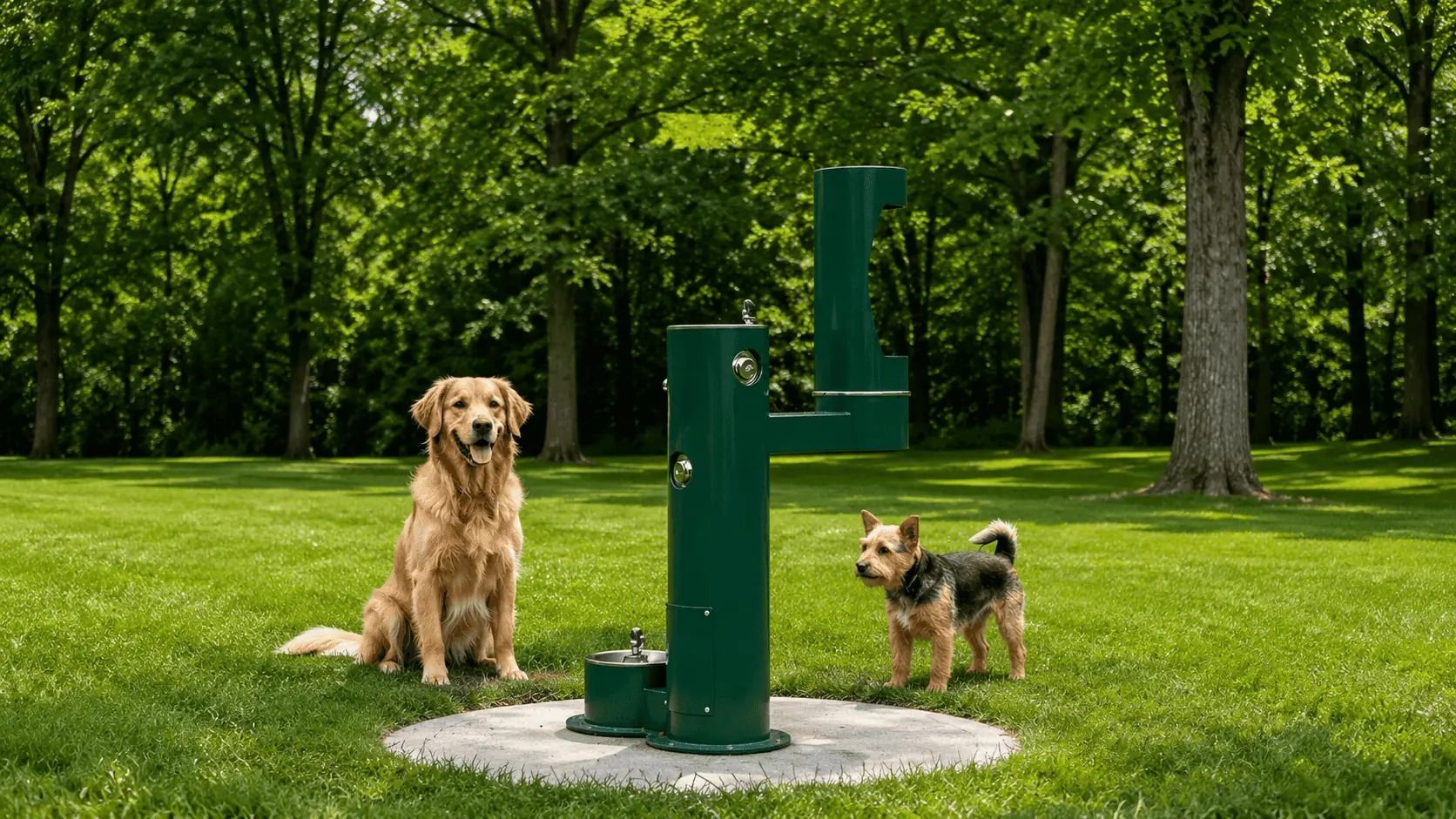
Durability matters just as much as performance. Schools and parks experience bumps, weather exposure (for outdoor planning), and frequent cleaning cycles, so the materials and internal design should be made for repeated use. Additionally, clear controls and comfortable access height encourage consistent use, including for students and visitors who may not have time to figure out complicated settings. Pairing the right hydration unit with a practical layout can significantly reduce bottlenecks.
Use hygiene-forward design, including foot washing needs
For some spaces, hydration isn’t the only cleanliness requirement. When feet are cleaned quickly and effectively, facilities maintain a better overall environment and reduce the burden on floor maintenance teams. A coordinated approach to water access can keep the space welcoming while supporting responsible sanitation routines.
To make hygiene systems work, focus on workflow and ease of use. The station should be positioned so people can complete rinsing without blocking pathways, and it should be simple enough that users can understand it at a glance. Maintenance staff also benefit when the equipment is designed for straightforward cleaning and dependable operation. When hydration and cleanliness tools are planned together, the site becomes easier to manage and more comfortable for visitors.
Conclusion
Solving hydration bottlenecks takes more than adding a water point. It requires consistent cooling, enough output to handle peak traffic, and durable construction that survives real-world use. Choosing the right equipment can also improve budgeting and reduce disruptions caused by frequent replacements. The Fountain Direct offers hydration solutions for schools, offices, parks, and busy public spaces with commercial-quality design, free shipping, and competitive pricing that supports everyday reliability. If you’re planning a smarter water setup, explore the durable commercial bottle-filler options from The Fountain Direct and build a system that serves people smoothly, safely, and efficiently.
