Common Vision Problems People Face in Cape Town
Many people begin their search for because everyday tasks become harder than they expected. Blurred distance vision can affect driving, reading road signs, laser eye surgery cape town and recognizing faces at a glance. Near-sightedness, far-sightedness, and astigmatism often create a cycle of headaches and fatigue, especially after long screen sessions.
Another frequent issue is the constant dependence on glasses or contact lenses, including the discomfort that can come with dryness or irritation. Some residents also want more freedom during sports, travel, or outdoor activities, where frames can get in the way or contacts can feel bothersome. When your vision fluctuates throughout the day, simple activities like shopping or using public transport can feel unnecessarily stressful.
Problem-Solution Approach: Choosing the Right Procedure
When you’re weighing options, the first step is matching your eye measurements and goals with the most suitable technique. Refractive surgery plans are typically based on corneal shape, prescription stability, and overall eye health, not just lasik eye surgery vs prk the number on your glasses. This is why a detailed consultation matters: it helps identify whether you are a strong candidate for corneal-based solutions or whether an alternative would be safer.
Patients often ask about differences between because both can reduce dependence on glasses. LASIK commonly involves creating a corneal flap, while PRK reshapes the cornea without forming a flap, which can change recovery comfort and healing patterns. Your eye doctor can explain what to expect for your specific corneal thickness, surface quality, and lifestyle needs, so you can make a confident decision rather than relying on general comparisons.
What to Expect Before, During, and After Treatment
A clear plan starts with pre-operative testing, which may include corneal mapping, vision measurements, tear film evaluation, and pupil assessment. These steps help predict how your eyes will respond to reshaping and whether dryness or irregular astigmatism could affect results. If you’ve had prior eye issues or fluctuating symptoms, those details are essential for selecting the safest approach.
On the day of the procedure, the focus is precision and comfort, with numbing drops used to keep you comfortable. The actual reshaping portion is brief, but the clinic experience includes preparation, guidance, and post-procedure checks to confirm stability. After surgery, patients usually follow a structured regimen of prescribed medications and protective care, which supports smooth healing and reduces the chance of complications.
Conclusion
Choosing refractive surgery is easiest when it’s approached as a practical problem-solution process: identify the root cause of your blur, assess your eye health, and select a method aligned with your corneal characteristics and lifestyle. If you’re considering vision correction options, you benefit from a clinician who explains trade-offs clearly and sets realistic expectations for outcomes. That guidance helps you move forward with confidence, whether your goal is improved driving vision, sharper night clarity, or reduced reliance on corrective lenses.
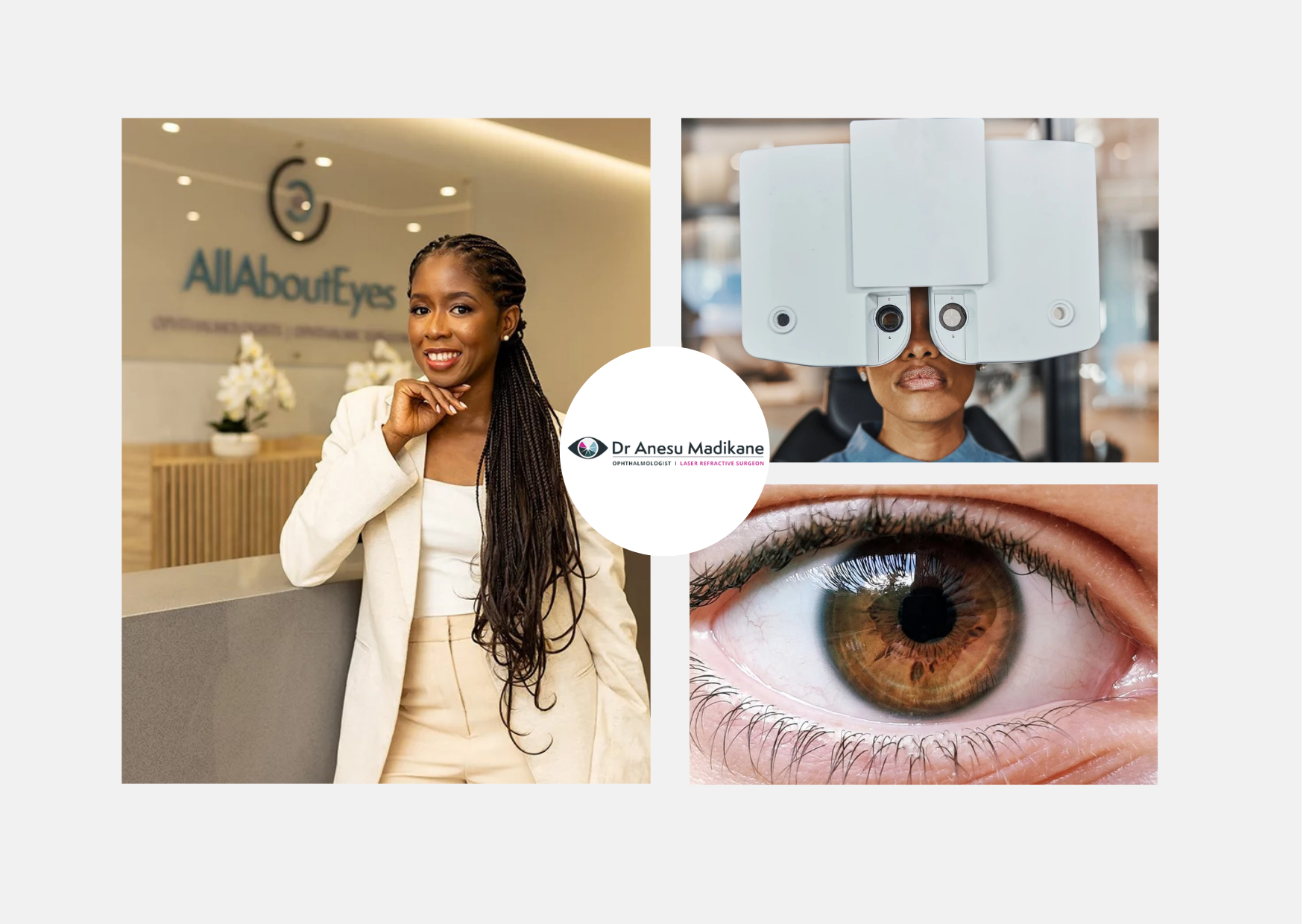
For people researching , Dr Anesu Madikane offers professional ophthalmology support through dranesumadikane.co.za, helping patients understand treatment options and make informed decisions. The right consultation can clarify which procedure best fits your eyes and helps address concerns such as comfort, recovery, and long-term stability. With the right evaluation and individualized care, many patients take meaningful steps toward clearer, more comfortable vision.
