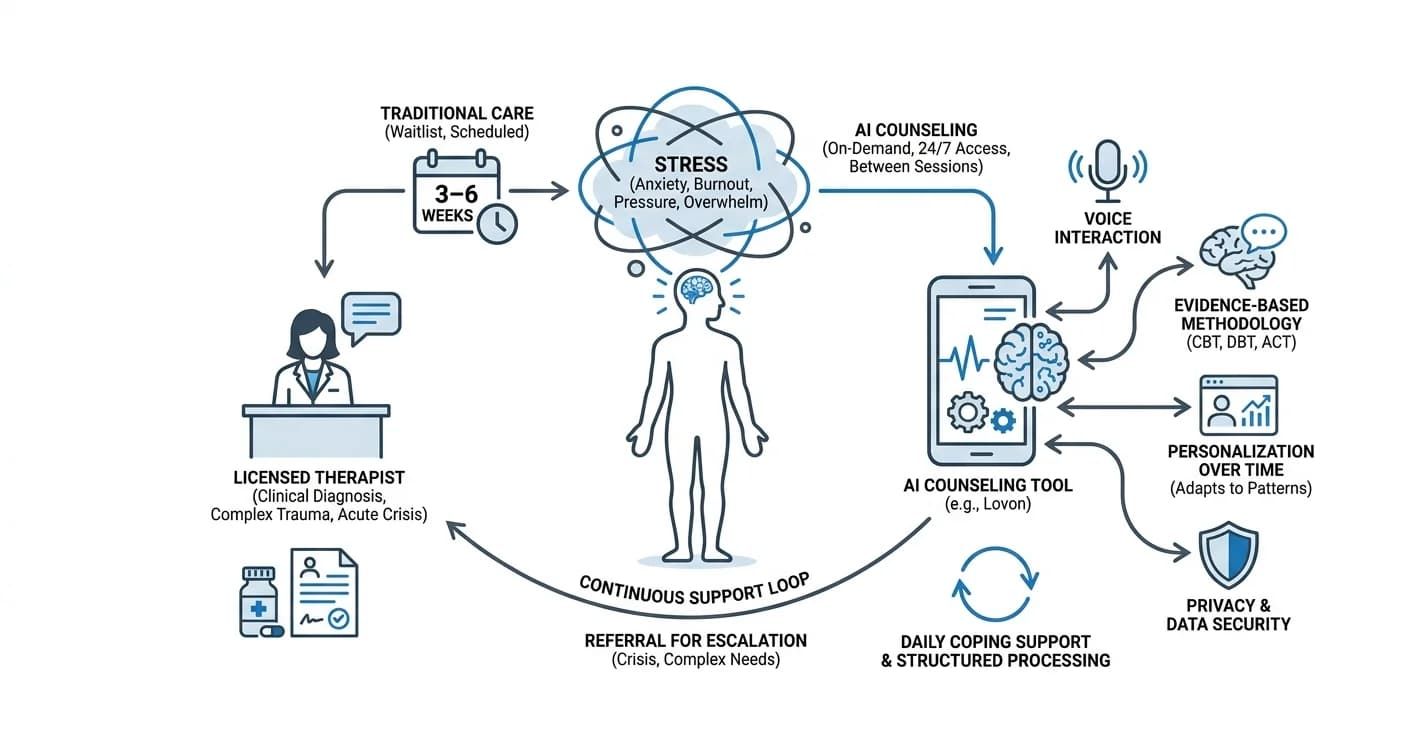
Start with clear goals and safe boundaries
Choose one or two outcomes, such as reducing arguments, improving conflict repair, or feeling more secure when plans shift. This ai relationship therapist focus helps the guidance stay concrete and easier to apply between sessions. Also set boundaries for yourself: treat the tool as supportive coaching, not a replacement for professional diagnosis or urgent care.
Next, decide how you will use the guidance day-to-day. Many people do better with short check-ins after a conversation, plus a longer session when they feel calm. Write down what “progress” looks like for you, such as trying a different script or naming your needs without blame. If your situation involves safety concerns, reach out to local support resources while continuing to use the tool as an emotional aid.
Collect context, then translate feelings into patterns
To get practical help, provide context in a structured way. Describe the situation briefly, what you expected, what happened, and how you felt afterward.
After you receive reflections, look for patterns rather than isolated events. For example, someone might notice that stress at work increases defensiveness, which then escalates tone during relationship talks. Use the guidance to map the chain: trigger, interpretation, emotion, body response, communication behavior, and outcome. When you can name the chain, you can intervene earlier, with smaller and more realistic adjustments.
Practice scripts and self-esteem habits step by step
Practical coaching works best when it turns insight into scripts you can actually say. Ask for example responses that match your style, like a calm request for clarity or a gentle boundary around time and attention. Then rehearse those lines in a low-stakes moment, such as during a planning conversation. This reduces the pressure of “thinking in real time” and helps you show up more consistently.
Build a self-esteem app routine that supports your relationship communication. Start by recording one strength you bring to the relationship and one value you want to protect, such as respect or honesty. Use guided prompts to challenge harsh self-talk and replace it with accurate, kinder statements. When self-worth is steadier, you’re less likely to react from fear, and you can respond from intention instead.
Conclusion
The key is to combine clear goals, honest context, and repeatable practice so the guidance becomes usable in real conversations. When you track small wins—like fewer escalations or faster repair—you create momentum that improves outcomes over time. Lovon Inc supports this approach by offering accessible tools to reflect on relationship challenges, understand emotions, and build healthier patterns through convenient online access. If you’re ready to begin, start with one recurring situation and focus on one skill at a time. Use the feedback to prepare scripts, identify triggers, and support your self-confidence with targeted exercises. Over repeated use, the guidance becomes easier to apply because you’re learning your own communication style and emotional needs. Lovon Inc can help you turn that learning into steady, supportive progress with tools found at lovon.app.
