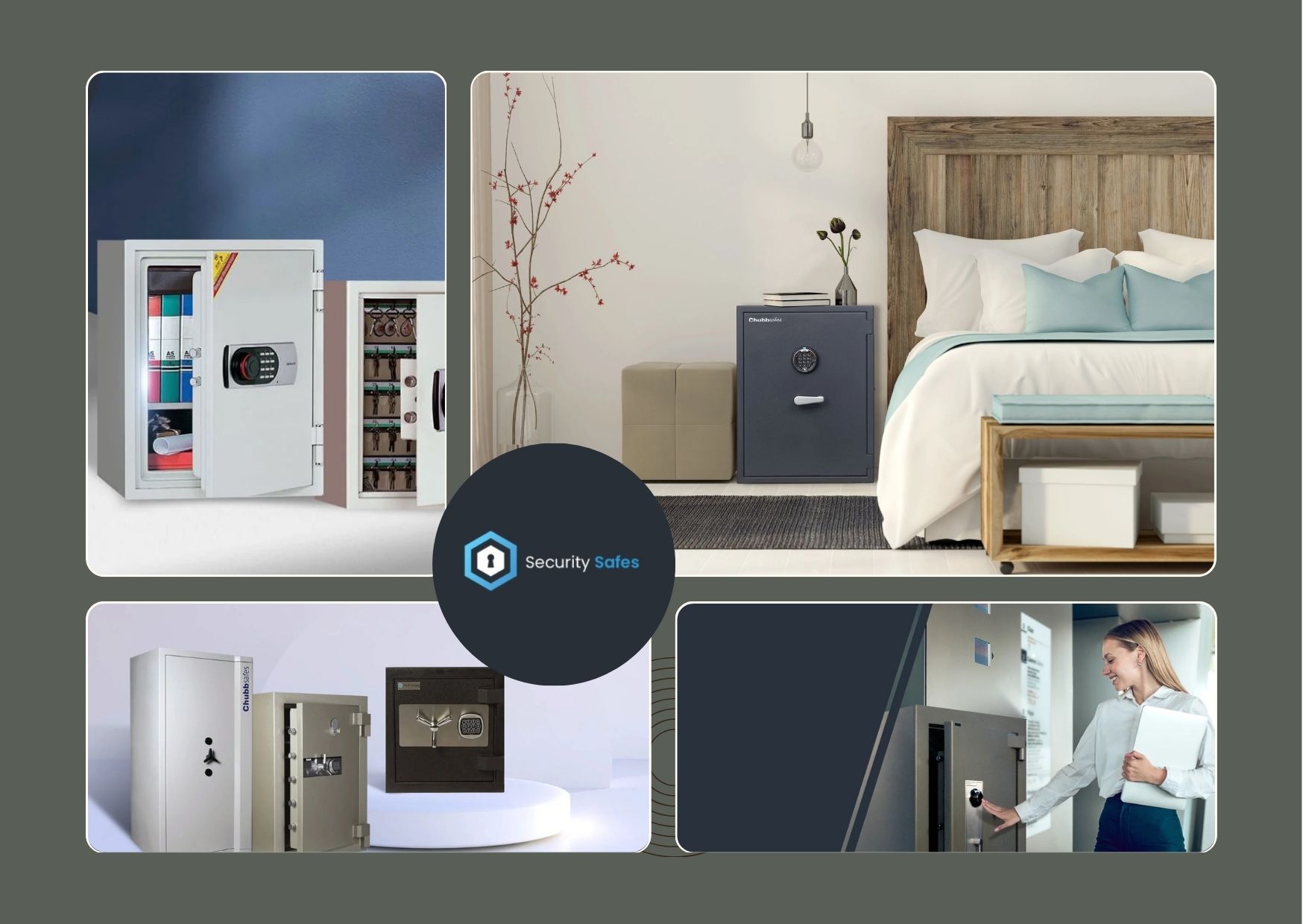
Start with risk and access needs
Before buying, list what you want to protect and where the safe will live. Break items into categories such as cash, jewellery, important documents, and digital storage to match the right security safes level of protection. Consider who needs access and how often, because access frequency affects whether you should choose a simple lock type or a more controlled mechanism.
Next, assess the most realistic threats for your property. Think about burglary opportunities like visible entry points, opportunistic access, and whether valuables are currently stored in easily reachable drawers. If the location is prone to fire or heat, include that risk in your planning so your selection supports both theft resistance and fire protection.
Match safe types to what you’re storing
Use a practical checklist to align the safe design with the items you carry. For documents, look for features that keep papers organised and protected from moisture, such as internal safe deposit boxes shelving or document folders. For cash and small valuables, prioritise secure locking and enough internal space so items are not jammed or forced into awkward corners.
If you store media, computers, or sensitive devices, plan for careful storage conditions and internal layout. Some people need compartments for passports, USB drives, or backup drives that require protection from knocks and general handling. When choosing storage solutions, consider whether you also need secure storage for keys, spare credentials, or business paperwork, because these are common targets during break-ins.
Check installation, anchoring, and compliance
A safe can only protect as well as its placement allows. Confirm the intended installation spot supports the safe’s weight and that there is solid backing for anchoring, particularly in high-traffic commercial areas. Use a checklist item for anchoring method, because bolting to structural surfaces helps reduce the chance of the unit being removed.
Also plan for day-to-day usability. Ensure the door swing and access space allow staff or household members to operate the handle comfortably without obstruction. For commercial environments, consider consistent procedures for key control and audit trails so the safe’s access remains accountable across shifts and authorised users.
Conclusion
Choosing the right storage solution is easier when you work through a clear checklist: identify what you’re protecting, evaluate realistic risks, match the safe type to the contents, and plan for secure installation. Pay attention to lock performance, internal organisation, and anchoring so the unit supports reliable day-to-day use in both home and workplace settings. Visit securitysafes.com.au to compare styles, sizes, and protection features so you can select a safe that fits your specific valuables and access requirements. With the right checklist and a well-matched unit, you can secure critical items with confidence and reduce risk across everyday scenarios.
