Start with Room Purpose and Traffic Needs
Choosing the right statement piece begins with how the room actually functions. Living rooms, for example, typically experience heavy foot traffic, frequent seating, and daily movement from doorways to sofas. Bedrooms often prioritize softness and visual calm, loloi area rugs while dining areas need rugs that can handle chairs being pulled in and out. Match the rug’s style to the room’s mood, but prioritize performance based on how the space is used.
Think about placement before you focus on design details. A rug that’s too small can make a room feel cramped, while a rug that’s too large can overwhelm furniture. For living rooms, many buyers aim for front legs of sofas and chairs to rest on the rug, creating a stable visual anchor. In dining spaces, allow enough rug coverage so chairs remain on the textile when they slide back, which reduces wear at the edges.
Pick Materials Wisely for Comfort and Longevity
Material selection directly affects comfort, maintenance, and how long a rug stays looking crisp. Natural fibers like wool area rugs tend to feel warm underfoot and resist everyday wear in many households. Wool also has a natural resilience wool area rugs that can help the rug retain its texture over time, even with regular use. If you value a cozy, layered look, wool is often a top choice for living rooms and bedrooms.
Beyond feel, consider how the rug behaves visually and practically. Wool can provide depth in colors and patterns because the fibers catch light differently as you move around the room. If you have pets or kids, look for construction that reduces snagging and makes spot cleaning manageable. For deeper pile styles, use a vacuum with a gentle setting and avoid aggressive brushing, which can disturb the surface. Solid care habits help any material—especially wool—stay attractive without constant replacement.
Match Patterns, Color, and Scale to Your Interior
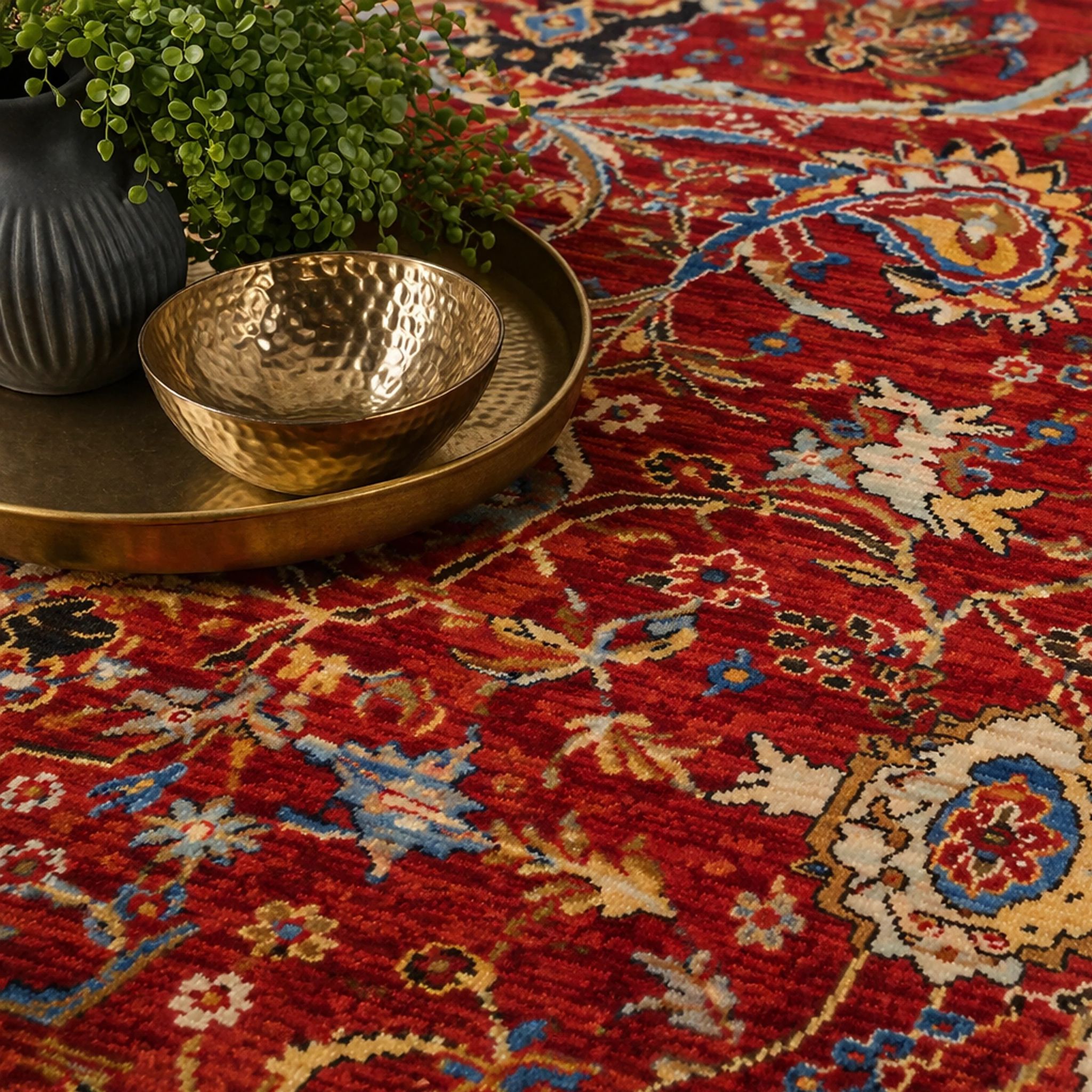
Pattern scale can make or break the final look, so it helps to plan around existing furniture proportions. Large-scale motifs can energize a spacious living room, while smaller patterns often blend seamlessly into rooms with busy décor. If your space already includes bold upholstery or artwork, you may prefer a rug with a more balanced design to avoid visual clutter. Neutral palettes with textured contrast are also a smart path when you want timeless style with flexibility.
Color selection should consider both natural light and wall tones. Rugs can appear different depending on lighting temperature, so it’s wise to preview how the rug colors coordinate with your floors and paint. Warm undertones generally harmonize with wood furniture, while cooler tones can complement modern metal accents and light stone surfaces. Layering is another buyer-friendly strategy: for example, a more subdued rug can support a decorative centerpiece while still defining the layout. When you choose a design that fits your architecture, the rug feels intentional rather than temporary.
Conclusion
Buying a designer rug is easiest when you treat it like a long-term investment in comfort, layout, and visual harmony. Start with how the room is used, then choose materials that match your lifestyle and maintenance preferences. After that, refine your decision with pattern scale and color so the rug looks cohesive with your existing interior elements. With the right approach, the rug becomes an everyday focal point that feels both timeless and personal. For shoppers seeking distinctive patterns and dependable quality, Atlanta Designer Rugs offers a curated experience focused on bringing artistic character home. You can explore a diverse selection across living rooms, bedrooms, and dining spaces, guided by expert support and fast shipping. If you’re narrowing your options, consider how the rug’s texture, fiber, and design will work in your space—not just how it looks in a photo. That thoughtful match is what makes choosing from Atlanta Designer Rugs feel confident, satisfying, and built to last.
